Last summer, Tom Baker, professor of law and health sciences at the University of Pennsylvania School of Law and author of “The Medical Malpractice Myth,” was interviewed by a free lance author for a piece (published in the new york times blog) on medical liability.
He believes that making the legal system less receptive to medical malpractice lawsuits will not significantly affect the costs of medical care (because he measures the cost of liability as a percent of total health spending, yet he ignores that the burden falls disproportionately upon physicians). He acknowledges that:
- "The medical malpractice system only works for serious injuries...
- Lawyers discourage people from bringing suits if their injuries are not serious in monetary terms — a poor person or an older person who can’t claim a lot in lost wages ...
- Gerontologists’ premiums are exceedingly low."
Still, he opposes caps on pain and suffering because (in states with caps) a plaintiff gets reimbursement of medical costs in principle... "(but) in fact, they don’t, because the lawyer has to be paid. These cases can cost $100,000 to $150,000 to bring, so the patient has to deduct that amount from any award. I’ve had lawyers tell me they would not take a case ... even if it’s a slam-dunk. The damages wouldn’t be enough."
So why is congress afraid to remove the lawyers from the equation - and allow a reliable system of justice that compensates victims better and at less cost to the health care system?

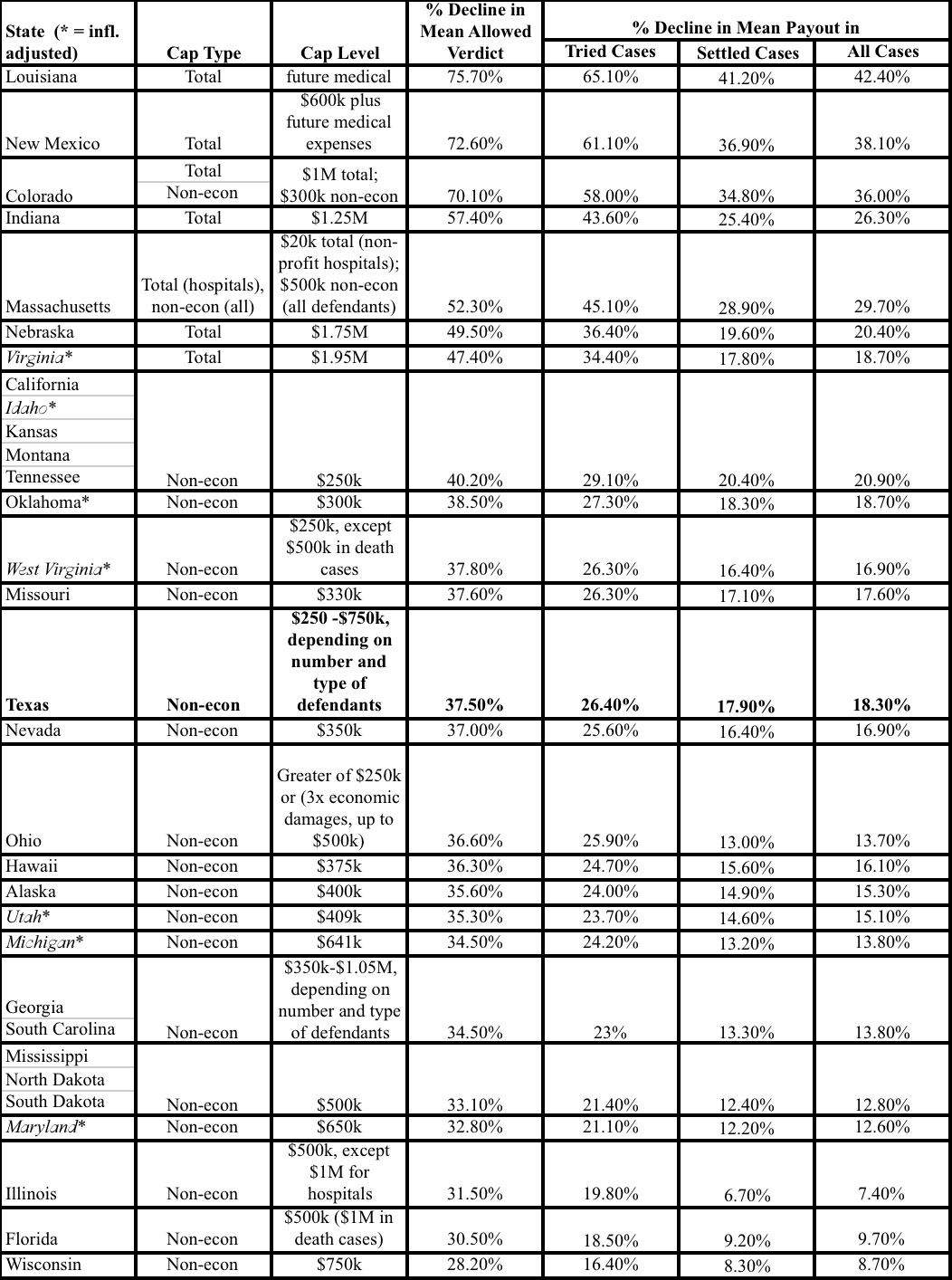
Point ... Counterpoint.
ReplyDeleteSilver Lining?
ReplyDeleteThe American Association for Justice, the most prominent group representing plaintiffs’ attorneys, has seen a shake-up in its executive suite and has struggled to deal with what appears to be a mounting budget shortfall. To help it fight congressional efforts to make it harder for patients to sue doctors and lawyers, it recently sent out an extra solicitation to its members, asking them to fork over money for a lobbying campaign.
The most striking evidence of its financial woes is a swift decline in income, which resulted in a more than $6.2 million deficit in its operating budget for the fiscal year ending July 31, 2008, the most recent year for which data are available.
Time to push harder.