Concerned physicians (both those who do and those who do not oppose the AMA strategy on Health Care Reform) have asked, "Is the AMA ready to 'walk away from the table' IF the 'onerous provisions' remain in the final Senate version?"
- AND IF the SGR is not eliminated without the substitution of another financial nightmare...
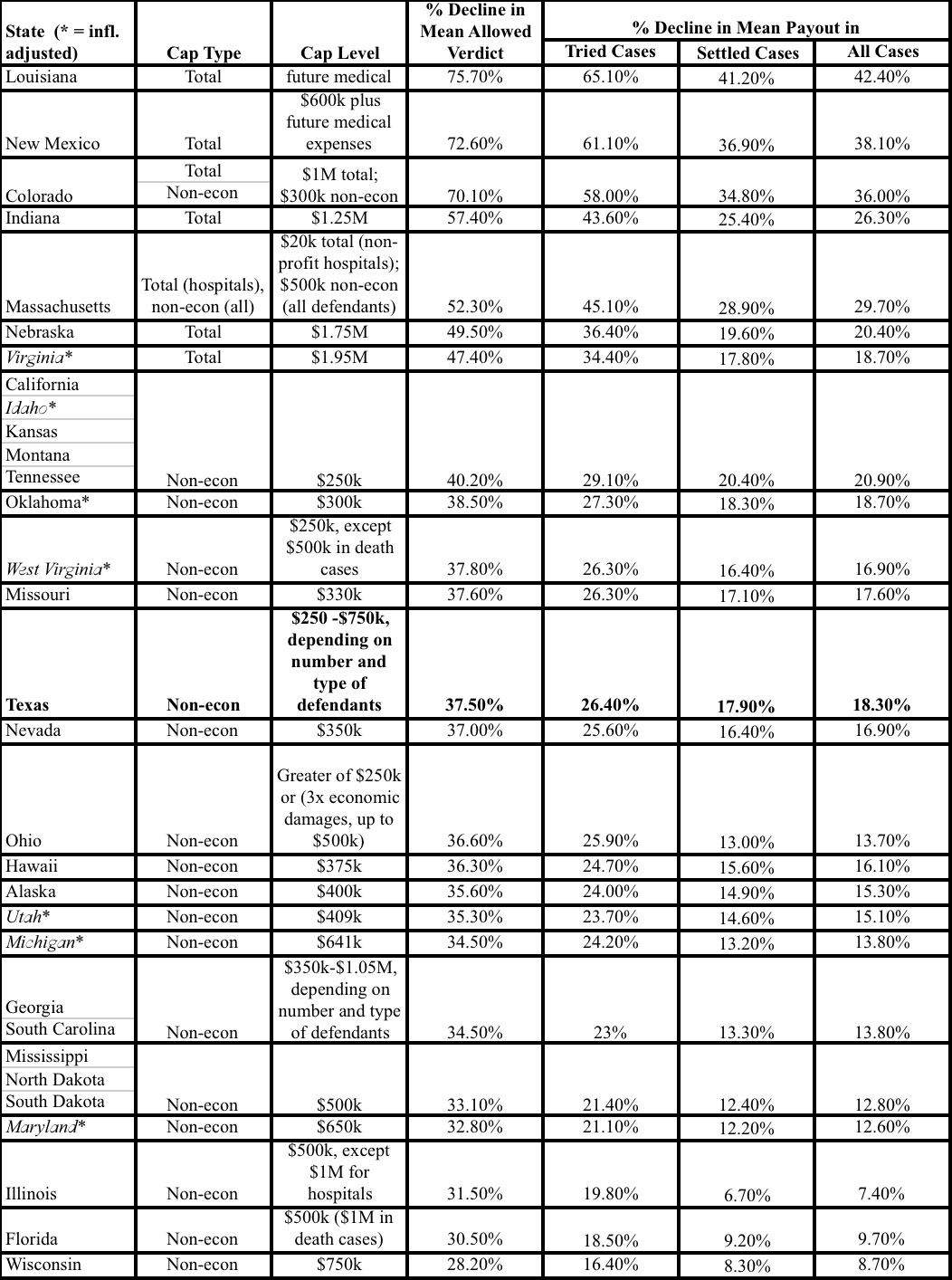
- AND IF tort reform remains a mere promise...
- AND IF collective negotiations remain a pipe dream?
PM writes "The basic needs of physicians MUST come first, (for only) then we can help those that desperately need our help to keep them well.
We are not public servants. We are healers that put our patients' welfare before our own personal needs. This time we must look out for us first. We cannot afford to settle for less (because it is politically correct) and hope to change 'onerous provisions' after the fact."

Are those new Mammography guidelines a portent of things to come? And how is this a benefit to patients, let alone physicians?
ReplyDeletei am stunned by the new guidelines.
ReplyDeletei have asked some public health professionals to comment - more to come
Notice how there were no oncologists on this panel. Hmmmmmmmm.
ReplyDeleteHarry Reid's Medicare Fed.
ReplyDeleteYou can read the law yourself--the relevant provision (Sec. 3403) runs from page 1000 to page 1053 here. But what it seems to say, specifically, is:
--The new 15 member "IMAB" board makes cost-cutting recommendations if Medicare spending exceeds specific targets.
--Congress can disapprove these changes by passing a bill. But like other legislation, the president can veto that bill (and his veto can be overridden).
--The "fast tracking" provisions Klein discusses apply to the bill disapproving the changes. That is, they make it easier for opponents of the changes to block them without, say, being filibustered in the Senate. But they also sharply restrict what a "fast-tracked" disapproval can do--for example, it can't block spending cuts if that causes cost-reduction targets to be missed. To this extent it's an "up or down" vote, like a base-closing resolution
--Key point: If Congress doesn't pass the fast-tracked bill, the Secretary of HHS must implement the IMAB panel's recommendations
--And Congress loses even its fast-track disapproval power after 2020, unless, by a 60% supermajority, during a specific window in the first half of 2017, while standing on one leg and humming Battle Hymn of the Republic, it passes a joint resolution discontinuing the whole process. Correction: The part about standing on one leg and humming doesn't seem to be in the final bill.
Complicated! (If I got it wrong, let me know.) The most obvious flaw seems to be this: Under the Reid bill, the way Congress disapproves the "IMAB" board's rules is by passing a law, subject to presidential veto, on a carefully-circumscribed "fast track." But Congress can pass a new law, subject to veto, anytime it wants on any subject, using its traditional "slow track" (or any faster track it feels like creating). The Reid bill can't stop future Congresses from doing that--passing a law throwing out an IMAB board recommendation, for example. Or killing the IMAB board completely (whether or not it passes this law in the first half of 2017). All the Reid reform can hope to do is prevent Congress from doing this via the specirfied "fast track." A meddling Congress, faced with constituents angry at Medicare cuts, might well say, in effect, 'take your fast track and shove it--we'll show you fast'.
Suppose, say, the "expert" IMAB board decrees that the feds won't pay for routine mammograms for women in their forties. How do you think Congress would react?
This bill is not in anyone's best interests. If you feel the same, you might call Senators Nelson, Lincoln, Landrieu and Lieberman and tell them to vote NO on the motion.
The Reid Bill isn't a Healthcare Bill - it's a Tax Bill!
ReplyDelete