According to the NYTimes, Speaker Nancy Pelosi has decided to propose a government-run insurance plan that would negotiate rates with doctors and hospitals, rather than using prices set by the government.
Ms. Pelosi said the public plan, which she prefers to call a “consumer option,” would compete with private insurers.
Members of the House Democratic leadership team offered these details of their bill, to be unveiled on Thursday.
- It would provide coverage to 35 million or 36 million people.
- The 10-year cost of expanding coverage would be less than the $900 billion ceiling suggested by President Obama.
- The cost would be offset by new taxes and by cutbacks in Medicare, so would not increase the federal budget deficit in the next 10 years or in the decade after that.
- The new bill retains a surtax on high-income people, but increases the thresholds to hit married couples with adjusted gross incomes exceeding $1 million a year and individuals over $500,000
Link to article

Government Plan ... Public Option ... Consumer Option. Al Smith's riposte to Hoover's "Chicken In Every Pot" applies: "No matter how you slice it, it still comes out baloney.
ReplyDeleteHere's my plan:
* Adopt a patient-centered approach to healthcare reform that empowers patients and promotes freedom of choice.
* Use the power of government to assist the uninsured obtain health coverage through modification of the tax code, such as tax credits and vouchers.
* Reduce high insurance premiums by opening up patient risk pools across the entire nation, thereby diffusing risk.
* Allow the individual/family to be the "owner" of the policy making their health care coverage portable and available if they lose their job or move to a new place of employment. This will eliminate exclusion from the new employer's plan for a “pre-existing” health issue and also eliminate a waiting period to qualify for enrollment.
* Encourage and expand Health Savings Accounts. Tax-Free savings vehicle for planned and/or unexpected medical expenses.
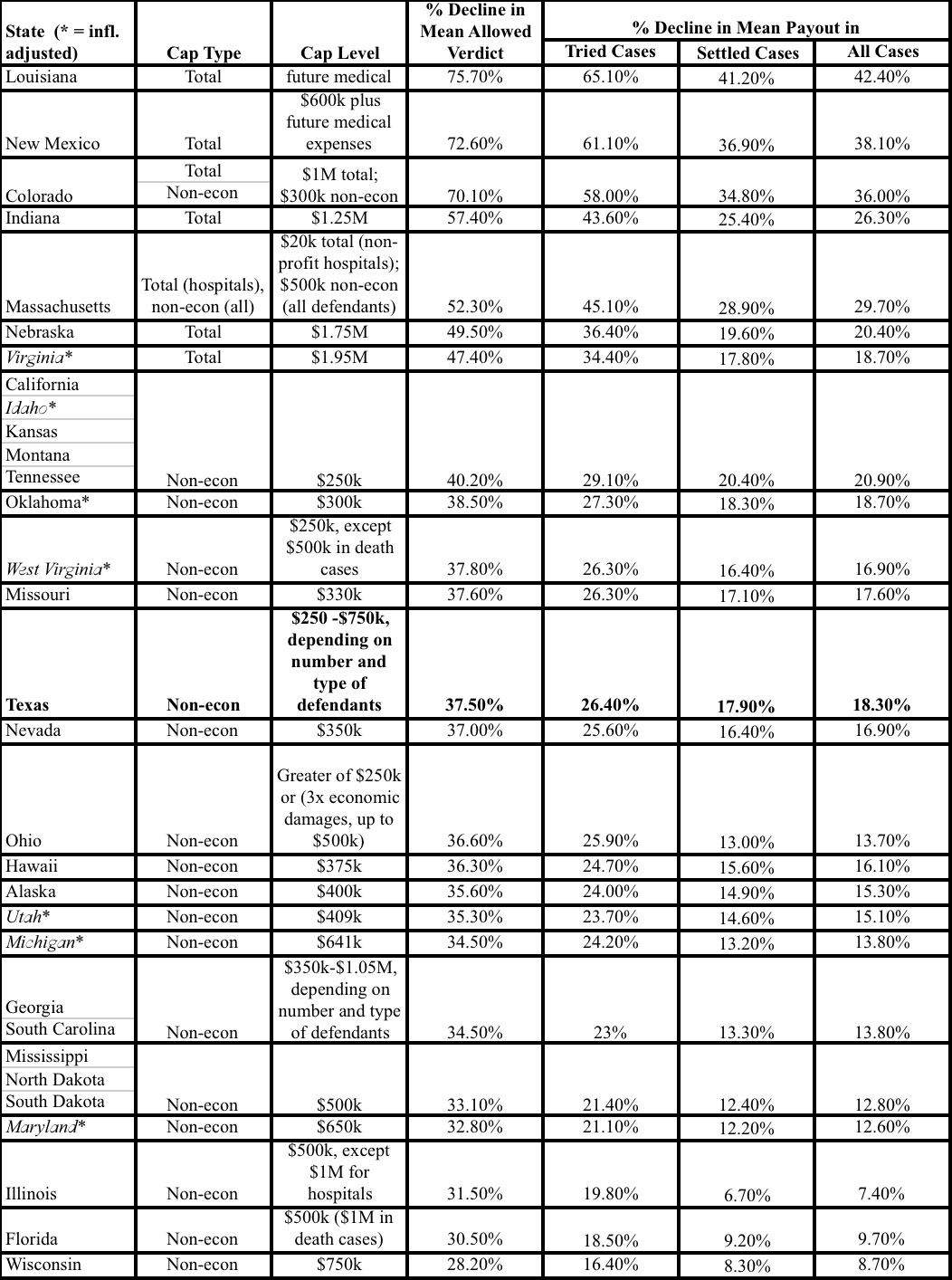
* Tort Reform. The costs to our healthcare system secondary to the practice of defensive medicine are over $100 billion annually, or $2,000 per family.
* Insurance Reform. Guarantee insurability due to pre-existing illness. Eliminate Insurance company antitrust exemption.
Have at it!
Just started on the 1990 pg Pelosipalooza ...
ReplyDeleteHere's a list of 13 new taxes:
Employer Mandate Excise Tax (Page 275): If an employer does not pay 72.5 percent of a single employee’s health premium (65 percent of a family employee), the employer must pay an excise tax equal to 8 percent of average wages. Small employers (measured by payroll size) have smaller payroll tax rates of 0 percent (<$500,000), 2 percent ($500,000-$585,000), 4 percent ($585,000-$670,000), and 6 percent ($670,000-$750,000).
Individual Mandate Surtax (Page 296): If an individual fails to obtain qualifying coverage, he must pay an income surtax equal to the lesser of 2.5 percent of modified adjusted gross income (MAGI) or the average premium. MAGI adds back in the foreign earned income exclusion and municipal bond interest.
Medicine Cabinet Tax (Page 324): Non-prescription medications would no longer be able to be purchased from health savings accounts (HSAs), flexible spending accounts (FSAs), or health reimbursement arrangements (HRAs). Insulin excepted.
Cap on FSAs (Page 325): FSAs would face an annual cap of $2500 (currently uncapped).
Increased Additional Tax on Non-Qualified HSA Distributions (Page 326): Non-qualified distributions from HSAs would face an additional tax of 20 percent (current law is 10 percent). This disadvantages HSAs relative to other tax-free accounts (e.g. IRAs, 401(k)s, 529 plans, etc.)
Denial of Tax Deduction for Employer Health Plans Coordinating with Medicare Part D (Page 327): This would further erode private sector participation in delivery of Medicare services.
Surtax on Individuals and Small Businesses (Page 336): Imposes an income surtax of 5.4 percent on MAGI over $500,000 ($1 million married filing jointly). MAGI adds back in the itemized deduction for margin loan interest. This would raise the top marginal tax rate in 2011 from 39.6 percent under current law to 45 percent—a new effective top rate.
Excise Tax on Medical Devices (Page 339): Imposes a new excise tax on medical device manufacturers equal to 2.5 percent of the wholesale price. It excludes retail sales and unspecified medical devices sold to the general public.
Corporate 1099-MISC Information Reporting (Page 344): Requires that 1099-MISC forms be issued to corporations as well as persons for trade or business payments. Current law limits to just persons for small business compliance complexity reasons. Also expands reporting to exchanges of property.
Delay in Worldwide Allocation of Interest (Page 345): Delays for nine years the worldwide allocation of interest, a corporate tax relief provision from the American Jobs Creation Act
Limitation on Tax Treaty Benefits for Certain Payments (Page 346): Increases taxes on U.S. employers with overseas operations looking to avoid double taxation of earnings.
Codification of the “Economic Substance Doctrine” (Page 349): Empowers the IRS to disallow a perfectly legal tax deduction or other tax relief merely because the IRS deems that the motive of the taxpayer was not primarily business-related.
Application of “More Likely Than Not” Rule (Page 357): Publicly-traded partnerships and corporations with annual gross receipts in excess of $100 million have raised standards on penalties. If there is a tax underpayment by these taxpayers, they must be able to prove that the estimated tax paid would have more likely than not been sufficient to cover final tax liability.
http://www.atr.org/breaking-comprehensive-list-taxesbr-house-democrat-a4113
This isn't Reform. It's a hostile takeover.
doc 99,
ReplyDeletepoint well taken.
however, you seem averse to taxes, and also averse to deficits. have you any other ideas for funding?
could it be that you just like things as they are?