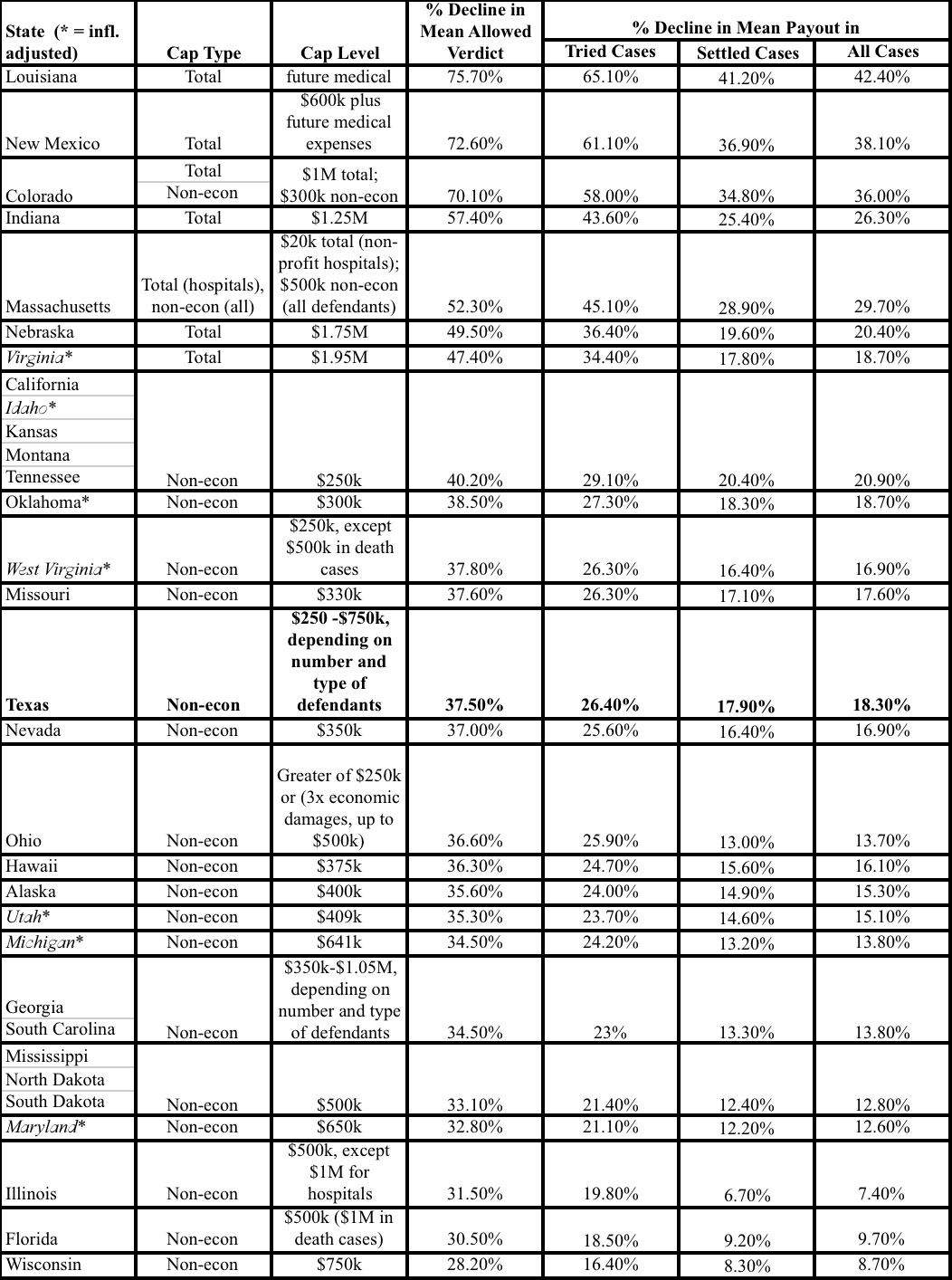
"The bipartisan trade-off in a viable health care bill is obvious: Combine universal coverage with malpractice tort reform in health care ... let us hope, may be that Congress will surprise everyone this fall."
Bill Bradley, a former Democratic senator from New Jersey
A version of this article appeared in print on August 30, 2009, on page WK9 of the New York edition.

I am sure the majority of Americans have a renewed understanding of Teddy Kennedy’s commitment to national service. The choice of all legislators to serve the American people is an honorable career selection. Fortunately, the lifelong financial benefits for choosing this career of service are considerable and, in fact, permit them to live comfortably for the remainder of their lives; even after a short period of service. How many people understand a physician’s service to the people of America?
ReplyDeleteI feel privileged as a physician to be able to serve my patients (one at a time) and it is the gratification that I receive from this service that make me want to continue to do so as long as possible. The Medicare laws, in essence, have converted fee-for-service medicine for seniors into a service rather than the commercial event that physician-patient relationships is considered by our government. Our “commercial” rights are steadily being eliminated (socialized) while our negotiating rights are restricted as though our services were actually part of a capitalistic supply-demand, free enterprise commercial system.
It will become increasingly difficult to direct sufficient numbers of the most capable college students into medicine (especially primary care) as the ability to remain in the black financially and have the means to eventually retire become less likely.
Perhaps it is time for the government to provide the training for the brightest students to compete to become physicians and, like legislators, serve the public in a national healthcare system much like the military system. At the same time, the government should shoulder malpractice protection in addition to providing lifelong medical and retirement benefits similar to those provided to legislators who also serve the public so nobly.
What do you think?
Al Cossari
'The health insurance industry, in particular, saw its premiums go from 1.5 percent of G.D.P. in 1970 to 5.5 percent in 2007, so that a once minor player has become a political behemoth, one that is currently spending $1.4 million a day lobbying Congress.'
ReplyDeletebradley asks us to look back to 1986 (reagan), while krugman looks back to 1972 (nixon). a worthwhile read:
http://www.nytimes.com/2009/08/31/opinion/31krugman.html?ref=opinion&pagewanted=print
cr
Rep. Heath Schuler (D-TN): Let's start over.
ReplyDeleteAC-T: You basically want to go back to scratch and start over (with reform)?
Shuler: I've spoken to House leadership, and I feel that's the best way for us to proceed forward. I do believe that we need to be sure that we get people access to quality health care, affordability and a quality outcome. The way we have to do that is starting over.
A Democrat and former QB is calling an audible on this one. Now, that's bipartisan.
a colleague emails the following:
ReplyDeleteOne point seems obvious..a public option (nationally or at the NYS level) is a necessary and desirable alternative to private health insurance.
As a newly eligible Medicare user it is clear that the private Advantage options are both expensive for medicare and a rip off for the consumer.
The only issue that I have about Medicare that I have is that after paying a fortune in Medicare taxes over 30 years and after building an adequate retirement plan, I find that my Medicare premium is based on my 2007 income(including tax free bonds).
For A and B it comes to over $300 a month and if I choose to not play, I will be surcharge 10% FOR EVERY YEAR that I wait.
sk
another writes:
ReplyDeleteThis is a great op-ed. Bill Bradley is a very, very thoughtful guy. This grand compromise, indeed, does make sense. This focus on health courts takes a page out of Phil Howard and Common Good's book.
ra